25 Aug 2026
Payment Methods and Bonus Qualification Rules in Sweden's New Casino Regulations
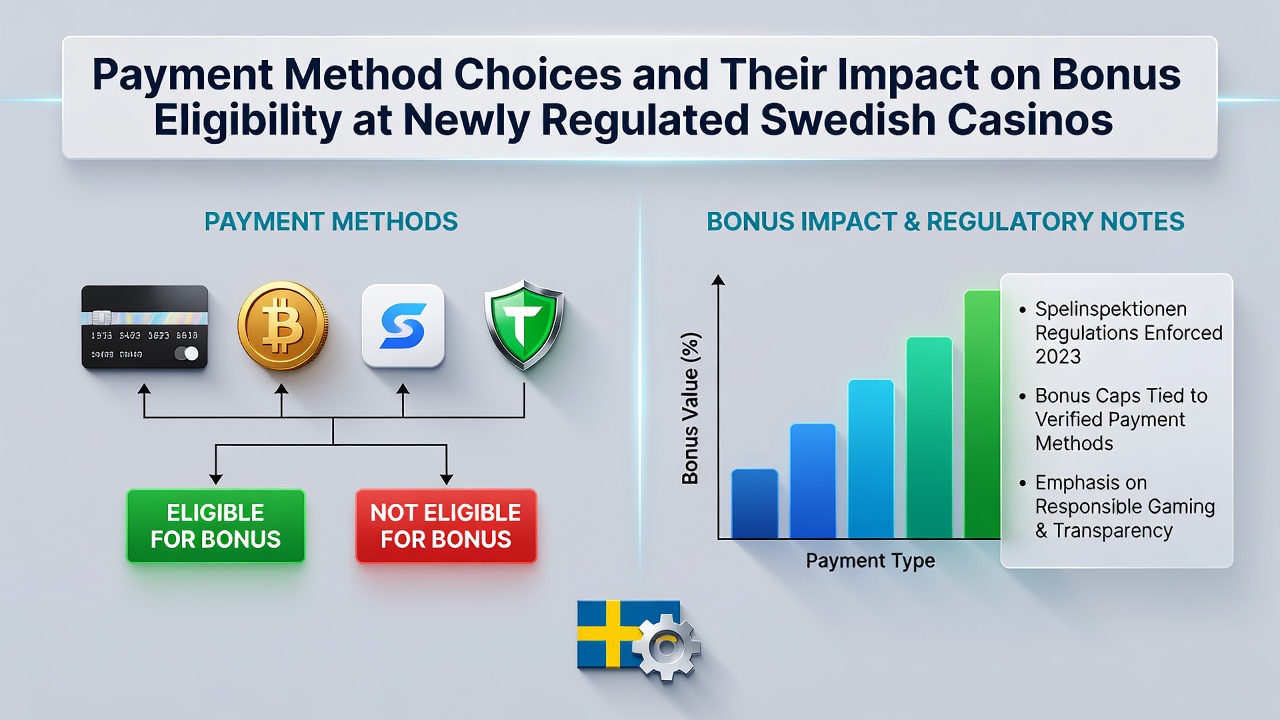
Swedish gambling regulations require all licensed operators to align payment processing with strict licensing conditions set by Spelinspektionen, and these rules directly shape which deposit and withdrawal options qualify players for promotional offers. Data from regulatory filings shows that operators must verify payment sources through approved channels before bonus activation can proceed, creating clear distinctions between accepted methods like bank transfers, digital wallets, and card payments.
Regulatory Framework Governing Payments and Bonuses
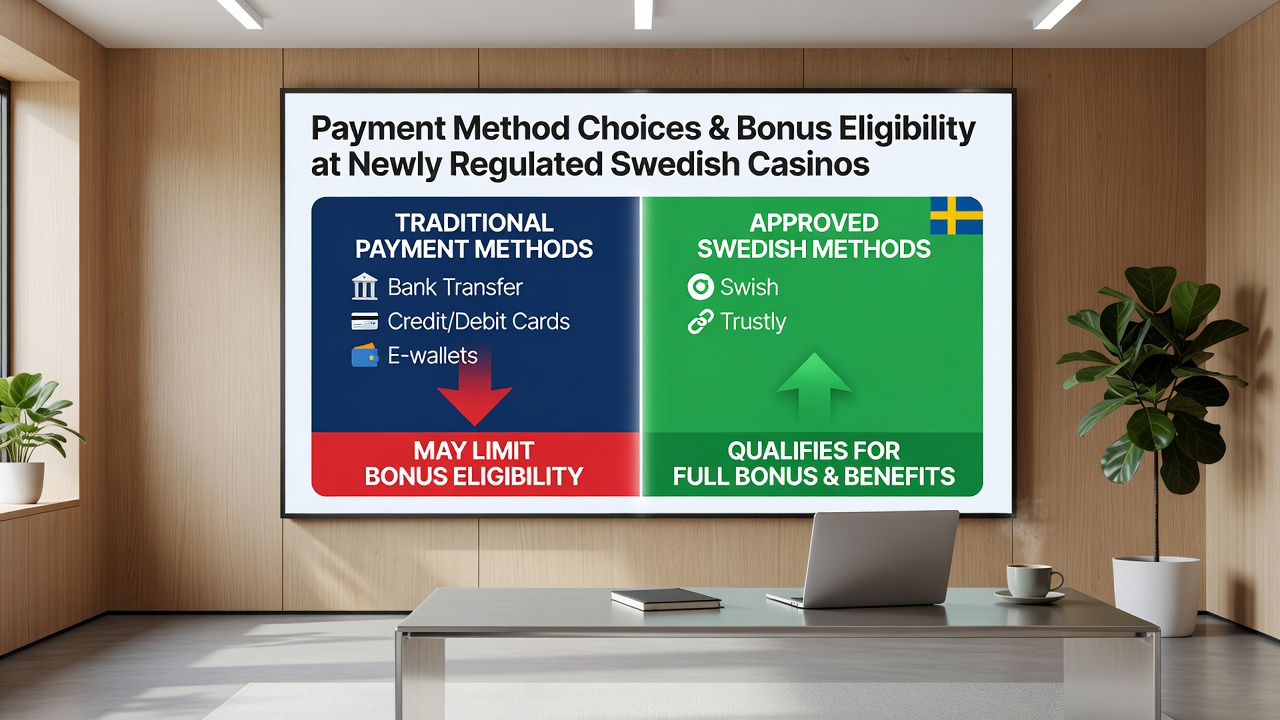
Sweden's licensing system, updated through successive reforms, mandates that every payment method undergo compliance checks tied to anti-money laundering protocols and player verification standards. Observers note that operators who fail to match these requirements face restrictions on offering bonuses altogether, while those who integrate compliant systems gain flexibility in structuring eligibility criteria. Research from industry reports indicates that Swish transactions often receive priority because they connect directly to verified Swedish bank accounts, streamlining the identity confirmation process that bonuses depend on.
Payment selections such as credit cards, prepaid vouchers, and cryptocurrency options receive different treatment under the same rules, with some methods triggering additional review steps that delay bonus crediting. Figures released by oversight bodies reveal that operators must document how each method supports responsible gambling features, including deposit limits that bonus promotions cannot override.
Common Payment Options and Their Eligibility Pathways
Bank transfers through established Swedish institutions continue to dominate bonus qualification lists because they provide transparent transaction histories that align with licensing audits. Digital wallet services receive approval only when they maintain local verification partnerships, a requirement that filters out several international providers from promotional access. Those who've examined operator terms find that e-wallet deposits sometimes qualify for welcome offers while excluding recurring reload bonuses unless the wallet meets updated security certifications.
Card-based payments split into debit and credit categories under current guidelines, with debit transactions frequently clearing bonus hurdles faster due to reduced fraud risk assessments. Prepaid card usage appears in some casino portfolios yet often carries explicit exclusions from bonus pools because operators cannot trace funds back to a single verified account holder as easily. Studies from European gaming associations highlight that these distinctions emerged clearly after licensing expansions that took effect in prior years and continue to influence platform design choices into 2026.
Impact of August 2026 Licensing Updates
Additional compliance layers scheduled for implementation around August 2026 require operators to link every payment method to real-time spending controls that interact with bonus tracking systems. Regulatory announcements indicate these changes will standardize how deposit sources determine whether a bonus activates or remains restricted based on transaction velocity. Operators adapting early have already adjusted their platforms to flag non-compliant methods before players complete registration flows.
Industry data collected across multiple jurisdictions shows parallel trends where payment verification speed correlates with higher bonus redemption rates, a pattern Swedish regulators have incorporated into their evaluation metrics. Payment processors that integrate biometric confirmation tools gain an edge because they reduce manual review times that otherwise postpone bonus availability.
Case Examples from Licensed Operators
One operator that introduced a hybrid bank-and-wallet system documented faster bonus processing for users selecting integrated options compared with standalone card deposits. Another site restricted cryptocurrency deposits from all promotional campaigns after audits revealed incomplete traceability records, prompting a shift toward traditional methods that satisfy Spelinspektionen documentation standards. These adjustments illustrate how payment infrastructure decisions translate into concrete differences in what players can access once they enter a licensed environment.
External research from the Canadian Gaming Association supports similar observations about verification timelines affecting promotional uptake, though the Swedish context adds tighter geographic restrictions that limit cross-border payment experiments. Operators who maintain diversified yet fully vetted payment portfolios tend to report steadier bonus engagement metrics across their user bases.
Future Considerations for Payment Integration
Developments in instant payment rails continue to intersect with bonus eligibility because faster settlement reduces the window during which funds could be flagged for review. Regulators expect operators to update their systems continuously so that new methods undergo the same scrutiny applied to established ones. Those monitoring the sector note that any payment innovation must demonstrate compatibility with player protection tools before it can support bonus campaigns.
According to Spelinspektionen guidelines, all approved methods must support withdrawal of both deposited funds and any associated winnings without creating separate bonus pools that bypass verification. This requirement keeps payment choice central to how bonuses function across the regulated market.
Conclusion
Payment method selections at newly regulated Swedish casinos determine bonus access through layered compliance requirements that operators must satisfy before any promotional offer activates. Regulatory data, operator adaptations, and scheduled updates through August 2026 all point to continued emphasis on verified, traceable transactions as the foundation for eligibility. Players encounter these rules through the specific options each licensed site presents, with outcomes shaped by how well those options align with ongoing oversight standards.