23 Aug 2026
Swedish Regulations Direct Deposit Choices for Jackpot Slot Access on Emerging Mobile Platforms
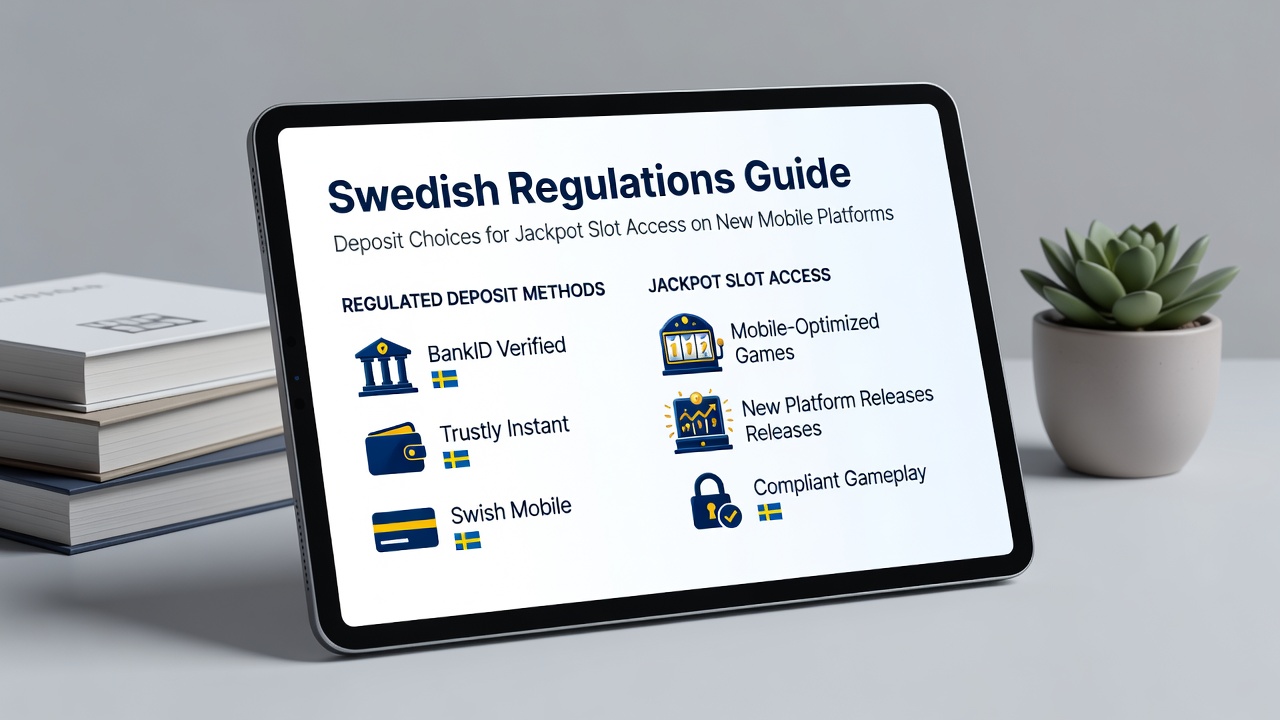
Swedish authorities maintain a structured licensing system that shapes how operators handle deposits for jackpot slot games on new mobile platforms, with rules enforced through the Spelinspektionen since the 2019 re-regulation and updates continuing into later years. Operators must secure a license before offering games that include progressive jackpots, and this requirement extends to payment processing methods that users access via smartphones and tablets. The framework demands secure verification steps for each deposit, which limits certain instant options while favoring methods that support full identity checks and transaction logging.
Core Licensing Requirements and Payment Oversight
Under current Swedish rules, licensed operators integrate deposit systems that comply with anti-money laundering standards and player protection measures, which means new mobile platforms undergo testing for compatibility with approved banking partners and digital wallets. Research from the University of Sydney shows that jurisdictions with similar licensing models see higher adoption of bank transfer methods over cryptocurrency options because the latter require additional compliance layers. Data from Spelinspektionen tracks deposit volumes and flags patterns that suggest elevated risk, prompting operators to adjust available choices accordingly. Those who study the sector note that jackpot titles, which often carry higher stakes, trigger stricter deposit thresholds to align with responsible gambling protocols.
Deposit Method Adaptations for Mobile Jackpot Access
Mobile platforms released after 2024 incorporate updated APIs that connect directly to licensed payment providers, allowing seamless verification while restricting third-party processors that lack Swedish authorization. Experts observe that this setup favors established options such as Swish and bank cards, whereas certain e-wallets face temporary blocks until they demonstrate full compliance with transaction monitoring requirements. Studies indicate that players encounter fewer interruptions when using methods pre-approved by the regulator, and this pattern holds particularly for games that pool contributions toward large progressive prizes. The regulatory approach connects deposit limits to account verification status, so new users on mobile devices complete additional steps before accessing high-stakes jackpot sections.
Operators update their mobile applications regularly to reflect any shifts in approved funding sources, which keeps the system aligned with ongoing oversight. Figures from industry reports reveal that deposit success rates improve when platforms embed real-time checks that match user details against national registries, reducing the chance of declined transactions during jackpot play sessions.
Developments Expected Around August 2026
Regulatory adjustments scheduled for implementation in August 2026 focus on expanding technical standards for mobile payment interfaces, requiring enhanced encryption and faster reconciliation processes for jackpot-related deposits. Observers note that these changes will affect how new platforms integrate with payment gateways, pushing operators toward providers that already meet elevated security benchmarks. Data indicates that similar past updates led to temporary reductions in available deposit options until systems received certification, after which volumes returned to previous levels. The Spelinspektionen continues to publish guidance documents that clarify expectations for mobile operators, ensuring deposit flows remain transparent and traceable throughout the player journey.
Comparative Insights from Other Regions
Reports compiled by the Responsible Gambling Council in Canada highlight parallels between Swedish deposit controls and those in other regulated markets, where verification layers similarly influence which methods reach players on mobile devices. These comparisons show that jackpot access often correlates with stricter funding rules because of the larger potential payouts involved. Operators in Sweden apply these lessons by prioritizing methods that support both speed and compliance, resulting in consistent availability across updated mobile platforms.
Conclusion
Swedish regulations continue to steer deposit selections for jackpot slot participation on new mobile platforms through licensing conditions, verification mandates, and scheduled technical updates. The framework supports secure transactions while maintaining oversight of high-stakes gaming activity, with operators adapting their systems to meet evolving standards. Evidence from regulatory tracking and cross-jurisdictional studies confirms that these controls shape user experiences in measurable ways without restricting overall market access for compliant providers.